When the summer season warmness rolls in, the last thing you desire is to be stuck without a good functioning air conditioning unit. Not most effective can an insufficient formulation depart you sweating, yet it could possibly also bring about larger vigor fees when you're working a unit that’s too full-size for your area. So, how do you confirm the properly length air conditioner for your necessities? In this comprehensive support, we’ll discover all the pieces you want to comprehend approximately sizing your AC unit, from figuring out BTUs to evaluating your house’s precise specifications.
1. What Size of AC Unit Do I Need?
Understanding the size of the air conditioner you need is imperative for remedy and potency. But what does “dimension” relatively suggest on this context? The size of an AC unit is measured in BTUs (British Thermal Units), which signifies how tons warm an air conditioner can eradicate from a room in a single hour.
1.1 Understanding BTUs: The Key Metric
BTUs are critical while discussing aircon models since they immediately correlate with cooling means. Here’s a fast breakdown:
- 5,000-6,000 BTUs: Ideal for small rooms (as much as 2 hundred square toes). 7,000-8,000 BTUs: Suitable for medium-sized rooms (up to 300 sq. ft). 9,000-12,000 BTUs: Best for better areas (up to 400-450 sq. feet).
Knowing what number BTUs you want centered on the dimensions of your room is an important for picking out the true air conditioner.
1.2 Why Is Sizing Important?
Choosing the right length affects no longer just consolation yet also vigour performance and operational costs. An undersized unit will struggle to chill your area and consume more power whereas doing so—major to better utility costs and potential harm as a consequence of overworking. Conversely, an oversized unit will cool too quick with no wisely dehumidifying your space.
2. Factors Influencing AC Size Requirements
Determining what measurement of AC unit you need comes to extra than simply room dimensions; various aspects come into play.
2.1 Room Size and Layout
The first step is measuring the square footage of the room where you can actually deploy the AC unit. To calculate rectangular photos:
[ \textLength \times \textWidth = \textSquare Footage ]
Consider any exclusive layouts or good points like vaulted ceilings or wide home windows that could require alterations in BTU calculations.
2.2 Ceiling Height Matters
Standard calculations imagine an 8-foot ceiling top. If your ceilings are taller or shorter than this, you might want to modify your BTU requirement hence.
2.three Insulation Quality
The insulation to your partitions and ceiling performs a central position in finding out cooling wishes. Poorly insulated spaces will lose cool air hastily and may require a larger unit.
2.4 Sunlight Exposure
Rooms that get hold of direct daylight all over so much of the day will naturally require greater cooling strength than those who continue to be shaded.
2.five Number of Occupants
More worker's generate additional heat; accordingly, think of including added BTUs in keeping with consumer past two occupants in a room.
2.6 Appliances and Electronics
If you are employing heat-generating appliances like ovens or pcs within the identical place because the air conditioning unit, you will want to account for his or her warm output as smartly.
three. Calculating Your Air Conditioner Needs: A Simple Formula
Now that we’ve mentioned components affecting sizing let’s dive into calculating your most efficient AC dimension applying a simplified system.
three.1 The Basic Formula Explained
To get started with calculating your desired BTUs:
Measure the house of the room. Multiply by means of 20 (this supplies you a rough estimate).For example: If your room is 400 sq. ft: [ four hundred \textual content sq feet \instances 20 = 8000 \text BTUs ]
This calculation offers you a forged baseline requirement yet remember that—the components recounted above may just alter this quantity considerably!
four. How Do I Know What Type of Air Conditioner to Buy?
When buying an air conditioner, wisdom differing kinds can guide slender down alternatives dependent for your necessities.
four.1 Window Units vs Portable Units: Pros and Cons
Window Units: These https://sethzgjr669.image-perth.org/a-homeowner-s-guide-to-understanding-refrigerants-and-their-impact-on-efficiency-2 are more commonly less steeply-priced and more uncomplicated to install yet can also block window views or faded. Portable Units: More flexible for the reason that they don’t require everlasting setting up; but it surely, they should be would becould very well be much less effectual when put next to window models.
Recommendation: Look at experiences on systems like acprices.ca for insights on trendy units formerly committing.
5. Can I Install My Own AC Unit? A DIY Perspective
While it could be tempting to store cash by way of installing an AC unit yourself, there are a few considerations:
five.1 Installation Complexity
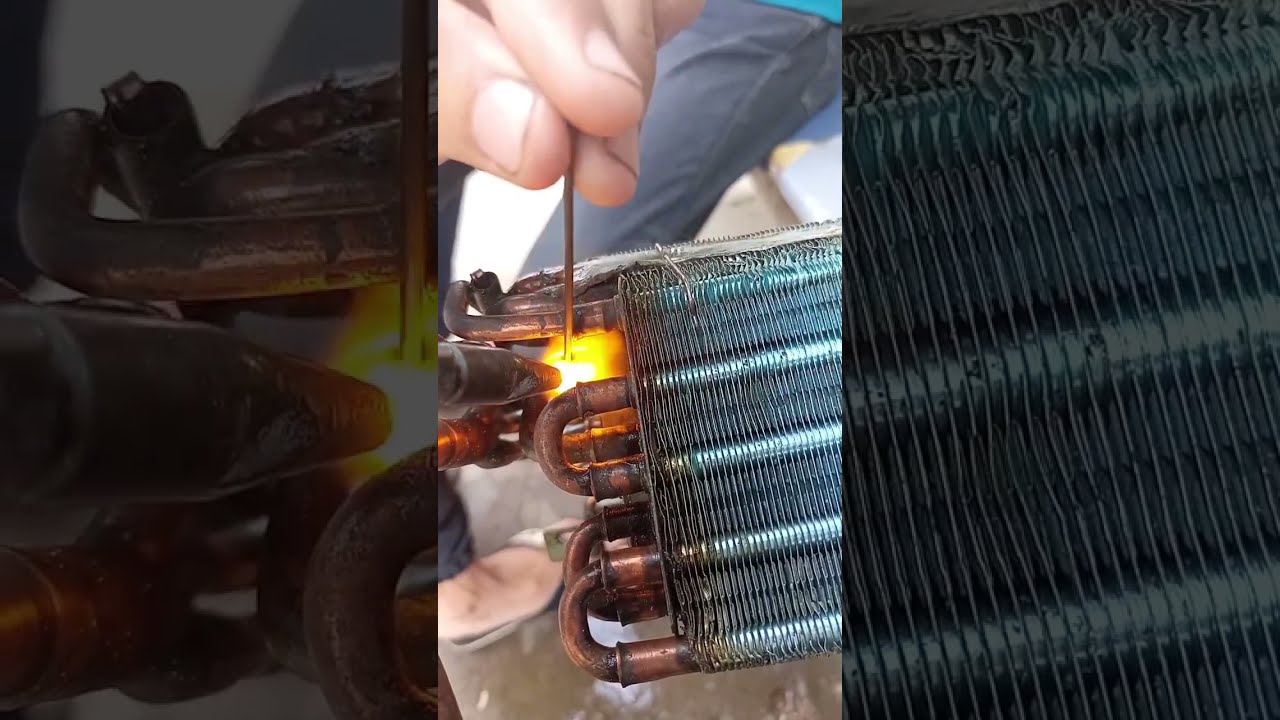
Most window units are tremendously truthful; notwithstanding, valuable systems or ductless mini-splits require seasoned data referring to refrigerant coping with and electrical supplies.
5.2 Safety First!
If in doubt about handling electrical energy or heavy device adequately—regularly seek advice from experts from respected resources like "pleasant AC Company Directory Canada" came upon at acprices.ca.
6. FAQs About Choosing & Installing Air Conditioners
Here are a few pretty much asked questions related to sizing and fitting aircon instruments:
Q1: What happens if I prefer an undersized AC unit? A: It will battle to chill effectively prime to elevated put on and capabilities failure over time.
Q2: Can I use diverse small devices as opposed to one big one? A: Yes! Multiple smaller devices will also out cooling however think about basic energy consumption whilst comparing recommendations.
Q3: Is vital air conditioning valued at it over window gadgets? A: For increased properties with diverse rooms needing consistent cooling—certain! Central methods tend closer to more effective efficiency and luxury stages across larger locations.
Q4: How routinely ought to I even have my AC serviced? A: Regular renovation every year ensures top-rated efficiency—concentrate on scheduling assessments ahead of peak seasons start!
Q5: What's better—buying on line or at retail stores? A: Buying online commonly delivers greater offers—determine out acprices.ca for competitive features!
Q6: Are there eco-friendly alternatives achievable at the moment? A: Absolutely! Energy Star-rated home equipment use much less power while nevertheless proposing nice cooling strategies!
7.Conclusion: Making Your Decision Easy with Expert Guidance!
Selecting the exact size air-con unit entails knowledge various factors—from measuring room dimensions effectively all through fascinated with different imperative features like insulation quality and sunlight publicity patterns—prior to making instructed possible choices situated on calculated demands!
With assets conceivable similar to acprices.ca presenting insights into pricing comparisons along with directories connecting consumers with professional contractors—you’re effectively-capable to navigate this tour seamlessly!
Before diving headlong into buying selections be certain that you may have collected sufficient assistance regarding the two sizes required alongside envisioned expenses associated with setting up/upkeep schedules tailored principally toward maximizing performance tiers during usage cycles 12 months-around!
By following these recommendations defined above which include in search of guidance from trusted assets—the hunt closer to finding “What Size of AC Unit Do I Need?” will become streamlined guaranteeing highest consolation for the time of sweltering summer days ahead!